We On It
Different Video Content Formats to Leverage...
Published on 02-04-24

0.2 seconds — that’s the time it takes for your communication to capture the attention of internet users.
30 seconds — that’s enough time to hold your audience so they can remember your message.
In other words, it only takes a few seconds for your video to fail. As you can understand, nowadays the exposure time to advertising campaigns is reduced. That’s why your video must be able to evoke emotions in viewers to keep them hooked. The stronger the emotion, the easier the memorization and the recall.
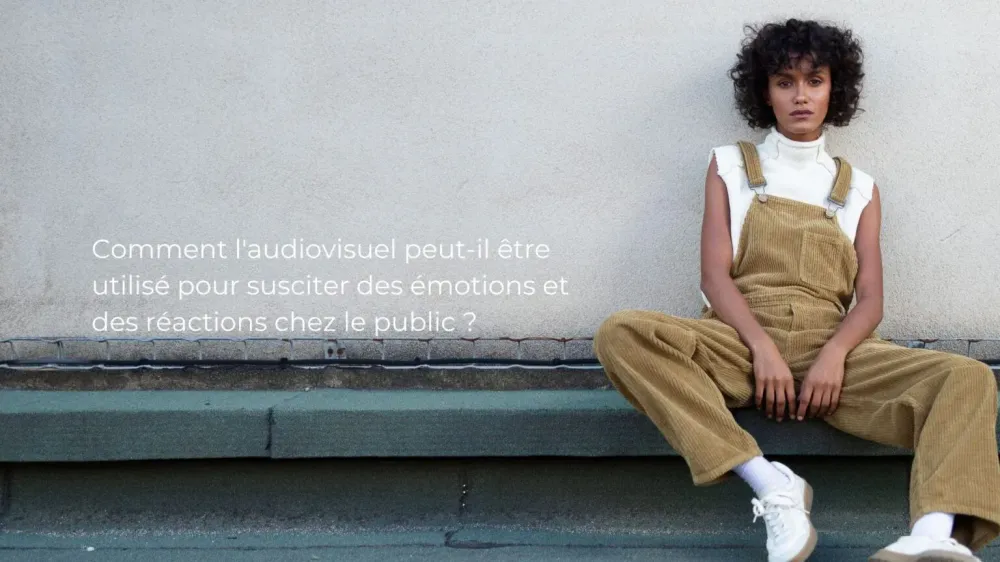
Neuroscience reveals that emotions play a crucial role in the relationship between the customer and the brand. This emotional connection is essential at every stage, from purchase to long-term loyalty. Video, as a medium, proves to be the ideal tool to convey these emotions. Indeed, it allows you to play with a wide range of emotions, from humor to tears, depending on the message you want to communicate to your audience. It is also a powerful tool to evoke emotions and reactions in the audience because of its ability to stimulate multiple senses simultaneously.
However, care must be taken, as emotional reactions can flip quickly, potentially ending a relationship with a brand overnight. Still, companies that do not try to create an emotional bond with their audience could end up facing more serious problems, such as lack of connection, which could cost them more than simply trying, failing, and trying again. To increase the chances that your video will work, ask yourself questions about your target; it’s essential to think about them and their sensitivity.
In conclusion, audiovisual media is a powerful tool for evoking emotions and reactions in the audience by creatively and effectively combining visual and sound elements.